Broadcast Engineer Jobs
Frame 25 recruits broadcast engineers and live operations teams for broadcasters, sports rights holders, playout and distribution providers, and facilities companies across the UK, the US and Europe. From MCR operators keeping 24/7 channels on air to systems engineers designing IP facilities, we place freelance, contract and permanent engineers at every level.
View current broadcast engineering jobs →
Not seeing the right role yet? Upload your CV and we'll be in touch when something fits.
Types of broadcast engineering jobs
Broadcast / Systems Engineer
Designs, installs and maintains the systems that carry pictures and sound through a facility: routers, vision and audio infrastructure, monitoring and control. Increasingly that means IP networks as much as SDI.
MCR Engineer
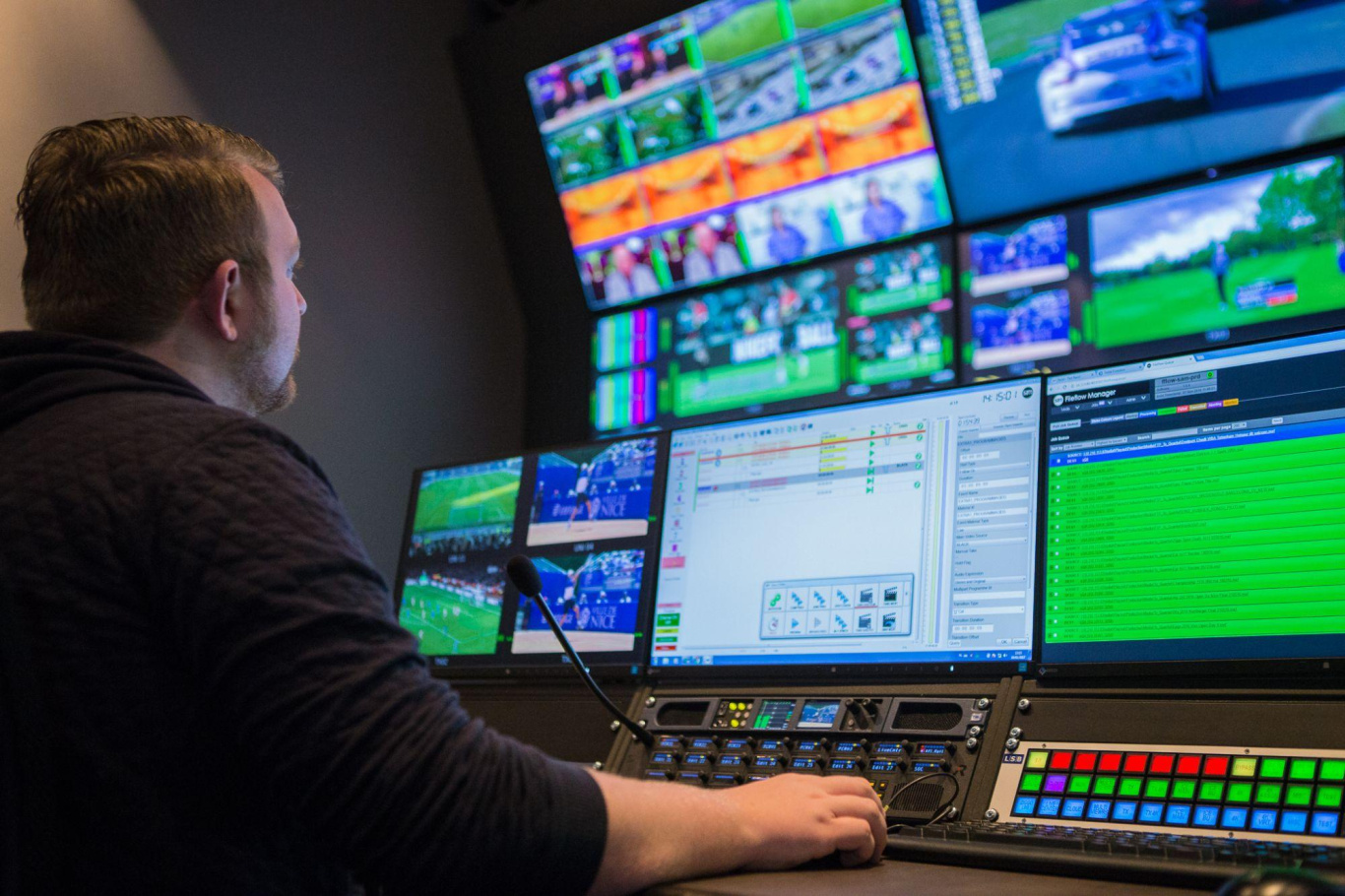
Runs and supports the master control room, where feeds come in and go out. MCR engineers handle incoming contribution, satellite, fibre and internet feeds, fault-find under pressure and keep live services on air. It's often shift-based and 24/7, especially for live sport.
MCR Operator / Master Control Operator
The live operations side of the MCR: monitoring channels and feeds, switching sources, logging faults and escalating to engineering. In the US these roles are usually called master control operators. It's one of the most common routes into broadcast engineering.
Transmission & Playout Engineer
Looks after the playout chain that puts channels on air, from automation and servers to encoding and distribution, and keeps it running around the clock.
Outside Broadcast (OB) Engineer
Rigs, runs and de-rigs the technical setup for live events, from OB trucks and flypacks to remote production links back to base.
Post Production Engineer
Supports edit suites, grading and audio rooms, storage and networks across post-production facilities: first-line fault-finding, maintenance and keeping kit available for clients.
IP & Cloud Broadcast Engineer
Builds and supports IP-based and cloud production and distribution: SMPTE ST 2110, NDI and SRT workflows, and broadcast services running in AWS and other cloud platforms.
Live operations and MCR jobs in the US
We're recruiting live operations teams in the US: master control operators, MCR engineers and broadcast technicians for live sport, news and 24/7 channels. Many of these roles are shift-based.
Typical US rates and salaries
| Role | Day rate | Salary |
|---|---|---|
| Master Control Operator | $250–$400 | $40k–$55k |
| Live / Transmission Operator | $280–$450 | $45k–$60k |
| Broadcast / MCR Engineer | $350–$550 | $55k–$80k |
| Senior / Systems Engineer | $550–$850 | $85k–$120k |
Rates vary a lot by market: New York, Los Angeles and the Bay Area run higher, and some contract work is union. Treat these as benchmarks.
Broadcast engineering jobs in the UK and Europe
London remains the centre of UK broadcast engineering, with the major broadcasters, playout providers and post facilities, and many of the roles we recruit for are London-based. We also recruit for engineering and technical crew across Europe, including freelance work on live events.
Freelance and permanent broadcast engineer jobs
Permanent roles suit engineers who want to grow with one facility and its systems. Freelance and contract work is common for OB, live events, installation projects and covering shifts. If you're freelance, Frame 25 pays you directly, so there's no chasing invoices.
Typical broadcast engineer salaries
Typical UK ranges, based on Frame 25's own placements:
| Role | Freelance day rate | Permanent salary |
|---|---|---|
| MCR Operator | £180–£280 | £31k–£43k |
| MCR / Broadcast Engineer | £250–£400 | £40k–£60k |
| Senior / Systems Engineer | £400–£650 | £60k–£85k |
| Post Production Engineer | £300–£500 | £45k–£65k |
Salaries vary with shift patterns, on-call, experience and the systems you know.
Skills and kit broadcast engineers need
- Broadcast fundamentals: video and audio formats, sync and timing, SDI and fibre
- IP networking: SMPTE ST 2110, PTP, multicast, switches and routers (networking certifications like CCNA help)
- Contribution and distribution: satellite, fibre, SRT, encoders and decoders
- Common systems: routers, multiviewers, playout automation and monitoring from the major broadcast manufacturers
- Cloud: broadcast workflows in AWS and other cloud platforms
- Fault-finding calmly under live pressure
How to become a broadcast engineer
- Start in operations. MCR operator, broadcast technician and transmission assistant roles are the most common way in.
- Get the fundamentals. An electronics, broadcast or IT degree helps, and broadcast engineering apprenticeships are another route.
- Learn IP. Networking skills are now as important as traditional video engineering.
- Register with a specialist recruiter. Many engineering roles are filled before they're ever advertised.
For an overview of careers across broadcast, see Media Jobs: The Definitive Guide.
Broadcast engineer jobs: FAQs
What does a broadcast engineer do?
A broadcast engineer keeps the technical systems behind TV, radio and streaming working: designing, installing, maintaining and fault-finding the equipment and networks that carry content from source to viewer.
What's the difference between an MCR operator and an MCR engineer?
An MCR operator monitors and switches live feeds and channels, and escalates faults. An MCR engineer has the deeper technical knowledge to diagnose and fix those faults, and often looks after the systems themselves. Many engineers start as operators.
Do broadcast engineers work shifts?
Often, yes. MCR, transmission and playout roles commonly run 24/7 on rotating shifts, while systems and project engineers usually work more regular hours with some on-call.
Can I get into broadcast engineering without a degree?
Yes. Plenty of engineers start in operations roles or through apprenticeships, then build technical skills and certifications on the job.
Ready for your next role?
View current broadcast engineering jobs →
Or upload your CV and we'll match you with the right role.