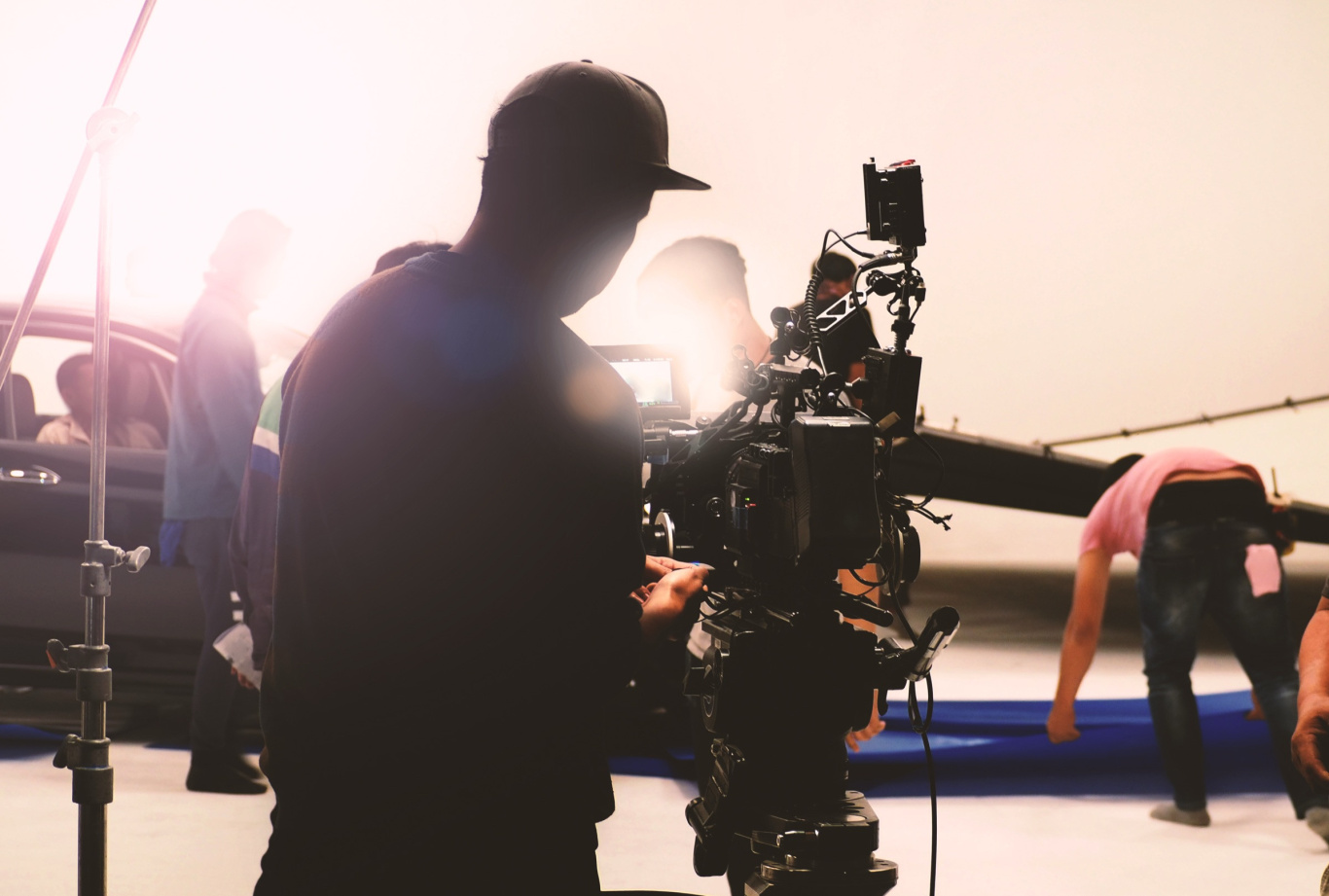
Camera Operator Jobs
Frame 25 recruits camera operators and camera crew for broadcasters, production companies, sports rights holders and OB and facilities companies across the UK, Europe and the US. From studio and multicamera operators to ENG crews, OB camera teams and specialist jib, RF and Steadicam operators, we place freelance and permanent camera talent at every level.
View current camera operator jobs →
Not seeing the right role yet? Upload your CV and we'll be in touch when something fits.
Types of camera operator jobs
Camera Assistant / Trainee
Supports the camera team on set, in the studio or on location: rigging and de-rigging, cabling, batteries and media, and looking after kit. It's the usual way into camera work, learning from experienced operators on live and recorded productions.
Studio / Multicamera Operator
Operates pedestal or tripod cameras in a studio as part of a multicamera team, taking direction from the gallery for news, entertainment, sport and live shows. Framing, smooth moves and staying calm on talkback are the core skills.
ENG / Field Camera Operator
Shoots news, documentary and factual content on location, often as a self-shooter or with a small crew. ENG operators handle camera, lighting and sound in the field and usually work fast with minimal setup.
OB Camera Operator
Works on outside broadcasts at live sport and events, operating hard and handheld cameras positioned around a venue and taking direction from the OB truck or remote gallery. Rates are often agreed as a buyout for the event.
Specialist Camera Operator (jib, RF, Steadicam)
Brings specialist kit and skills to a production: jib and crane operation, RF (wireless) handheld cameras, Steadicam and other stabilised rigs. These are the most senior and best-paid camera roles, often booked by the day or event.
Camera operator jobs in the UK
London is the centre of UK broadcast production, with the major broadcasters, studios and facilities, and most of the studio and multicamera roles we recruit for are London-based. Live sport and events take OB camera crews all over the country.
Typical UK camera operator rates and salaries
| Role | Freelance day rate | Permanent salary |
|---|---|---|
| Camera Assistant / Trainee | £205–£305 | £27k–£35k |
| Studio / Multicamera Operator | £425–£550 | £35k–£50k |
| ENG / Field Camera Operator | £425–£600 | £37k–£53k |
| OB Camera Operator | £475–£675 (often a buyout) | £43k–£60k |
| Senior / Specialist (jib, RF, Steadicam) | £575–£825 | £50k–£70k |
UK figures are London-weighted.
Camera operator jobs in Europe
We recruit camera crew across Europe for broadcasters, production companies and live sport and events, including freelance crew for multi-day and multi-country productions.
Typical European camera operator rates and salaries
| Role | Freelance day rate | Permanent salary |
|---|---|---|
| Camera Assistant / Trainee | €250–€400 | €24k–€34k |
| Studio / Multicamera Operator | €450–€700 | €32k–€52k |
| ENG / Field Camera Operator | €450–€750 | €34k–€55k |
| OB Camera Operator | €550–€850 | €38k–€58k |
| Senior / Specialist (jib, RF, Steadicam) | €650–€1,100 | €45k–€70k |
Rates vary by country: Germany and France tend to pay at the higher end, Spain and Italy at the lower end.
Camera operator jobs in the US
We recruit studio, field and live camera operators in the US for sport, news, entertainment and live events.
Typical US camera operator rates and salaries
| Role | Day rate | Salary |
|---|---|---|
| Camera Assistant / Trainee | $300–$500 | $40k–$55k |
| Studio / Multicamera Operator | $500–$900 | $55k–$80k |
| ENG / Field Camera Operator | $500–$950 | $55k–$85k |
| OB / Live Camera Operator | $650–$1,200 | $65k–$95k |
| Senior / Specialist (jib, RF, Steadicam) | $900–$1,600 | $80k–$120k |
Rates vary by market, with New York, Los Angeles and San Francisco the highest.
About these rates: they're typical ranges based on Frame 25's own placements, for the operator's labour only. If you bring your own camera or specialist kit, kit hire is charged on top. Rates also vary with genre, credits, experience and market, so treat them as a guide.
Freelance and permanent camera operator jobs
Most camera work in broadcast is freelance, booked by the day, by the event or for a run of shows. Permanent roles are mainly with broadcasters, studios and facilities companies. If you're freelance, Frame 25 pays you directly, so there's no chasing invoices. If you work through your own limited company, read our guide to IR35 for broadcast freelancers.
Skills and kit camera operators need
- Camera craft: framing, composition, focus, exposure and smooth camera moves
- Broadcast cameras and systems: studio and OB camera chains, lenses, tripods, pedestals and talkback
- Working to direction: following the director and gallery in live multicamera productions
- Field skills (ENG): lighting and sound on location, and working quickly with a small crew
- Specialist kit: jibs, cranes, RF cameras or Steadicam for senior roles
- Calm under live pressure, especially on sport and live events
How to become a camera operator
- Start as a camera assistant or trainee. Assisting experienced operators on studio, OB and location shoots is the most common route in.
- Build your credits. Camera work is booked on experience, so keep an up-to-date credit list and showreel.
- Learn the kit. Get familiar with broadcast cameras, lenses and support, and the systems used in studios and OB trucks.
- Register with a specialist recruiter. Many camera bookings are filled before they're ever advertised.
Camera operator jobs: FAQs
What does a camera operator do?
A camera operator captures the pictures for TV, live events and other productions: framing shots, following action and working with the director, in a studio, at an outside broadcast or on location.
How much does a camera operator earn?
In the UK, freelance camera operators typically earn £425–£600 a day as studio or field operators, rising to £575–£825 for specialists. Permanent salaries typically range from £35k to £70k depending on the role. See the tables above for Europe and the US.
Do camera operators need their own camera?
Not always. Studio and OB operators usually work on the client's cameras. ENG and specialist operators often bring their own kit, which is charged as kit hire on top of their day rate.
What's the difference between ENG and OB camera work?
ENG (electronic news gathering) operators shoot on location, usually with a single camera and a small crew. OB (outside broadcast) operators work as part of a multicamera team at live events, directed from an OB truck or remote gallery.
Other jobs we recruit for
Ready for your next role?
View current camera operator jobs →
Or upload your CV and we'll match you with the right role.